
Enjoy Your Pool with Confidence

Owning a swimming pool is all about fun, relaxation, and creating unforgettable moments, whether you’re playing with the kids, cooling off on a sunny day or entertaining friends.
To keep your water safe, sparkling and swim-ready, regular care is key. With the right balance of treatments and a simple maintenance routine, your pool will always be ready for its next big moment.
Download the Blue Horizons Pool Care Guide
Your Pool FAQs

How to Open Your Pool
Opening your pool for the season is all about preparation and a few simple steps will help you start with clean, safe water so you can spend less time on maintenance and more time enjoying your swim.
- Remove & Clean the Cover: Let it dry fully before storing away.
- Check Water Level: Top up if it’s below the skimmer and monitor over the next day.
- Clear Debris: Skim out leaves and waste, and clean strainer baskets.
- Check & Clean the Filter: Replace media if required.
- Prepare the Pool: Reconnect pipework, check seals, replace skimmer basket, prime and start the pump.
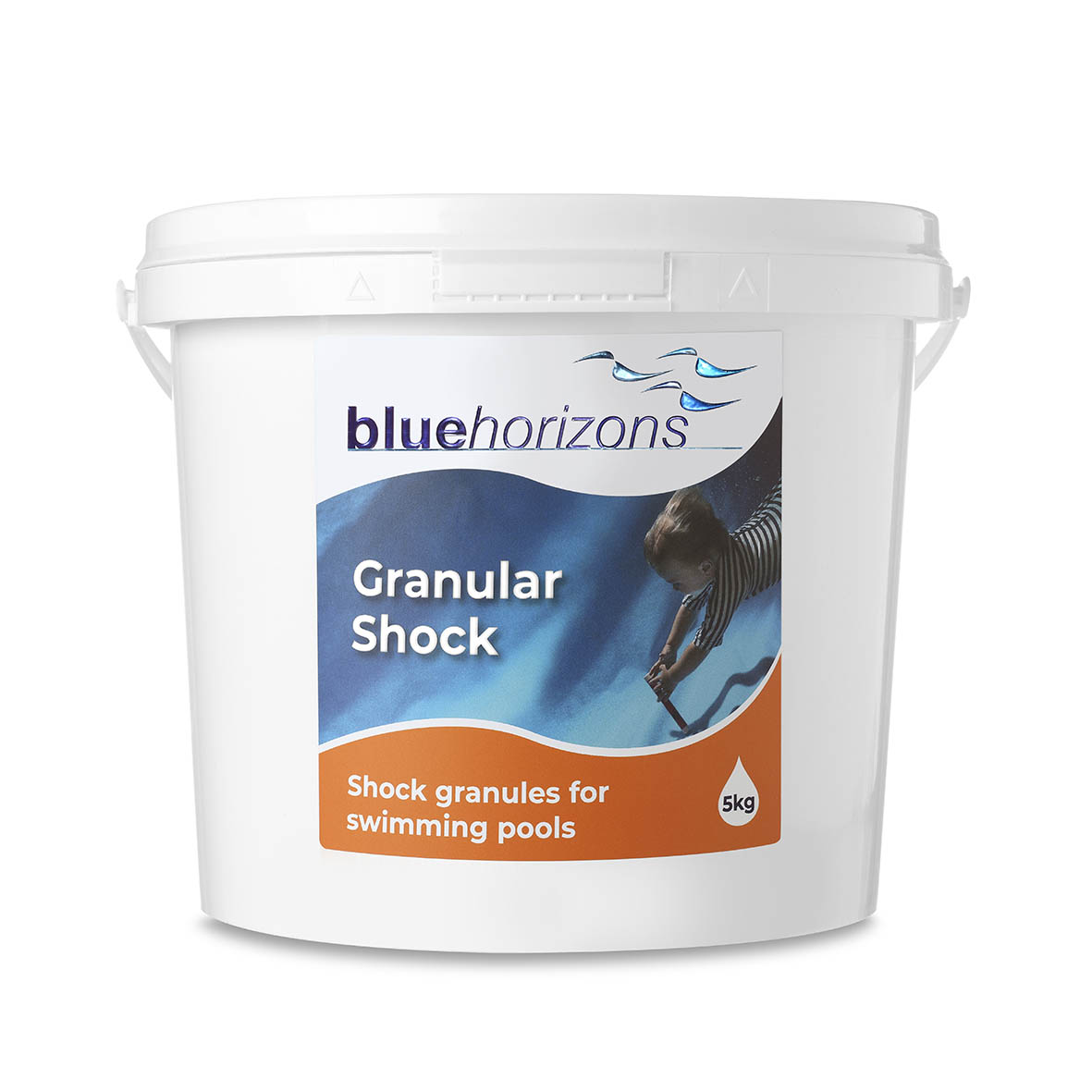
- Shock the Water: Use a product like Blue Horizons Rapid Shock to disinfect.
- Brush surfaces, add a flocculant, vacuum to waste, and support with a clarifier.
- Test & Balance: Adjust pH, alkalinity, hardness, and sanitiser levels.
- Stock Up: Make sure you have essential chemicals and test kits ready for the season.
- Check Equipment: nets, brushes, vacuums, and other tools.
- Finalise Plant Settings: Ensure filter and pump systems are running smoothly.
Now your pool is ready – time to enjoy!
How to Deal with Algae
Algae are tiny plants that can multiply quickly in warm, sunny water, often turning a pool green. Because recovery can be time-consuming and costly, prevention is always better than cure.
How to Prevent Algae
- Maintain balance: Keep pH, alkalinity and hardness in range so your sanitiser works effectively.
- Circulate & filter: Run your filter system as recommended and keep it clean with regular backwashing.
- Sanitise consistently: Maintain chlorine between 1.0-3.0 mg/l (or bromine 2.0-4.0 mg/l).
- Oxidise weekly: Shock dose to remove bather waste and organic matter.
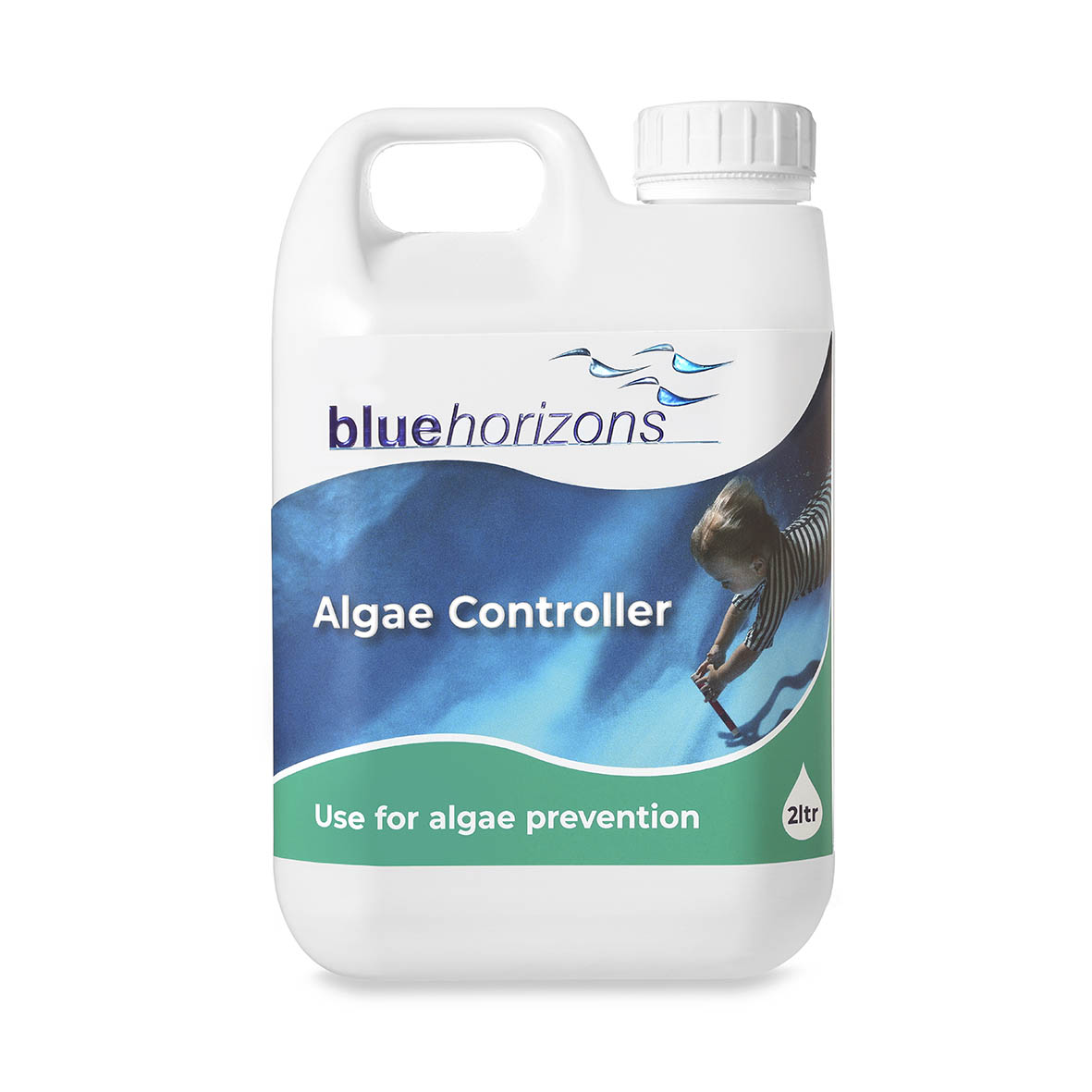
- Use an algaecide: Support your routine with a Blue Horizons Algaecide for extra protection.
- Control phosphates: High phosphate levels feed algae. Keep them below 0.25mg/l using Blue Horizons Ultimate Phos Granules or Concentrated Phos Away.
If Algae Appears
- Brush pool walls and floor to loosen algae.
- Shock dose with Blue Horizons Rapid Shock.
- Apply a targeted algaecide like Blue Horizons Ultimate Algicide Concentrate to help destroy algae spores and prevent regrowth.
- Run filtration continuously until water clears.
- Use a clarifier such as Natural Water Clarifier to speed recovery.
- Vacuum to waste once dead algae has settled.
By combining good water balance, regular sanitising, and supportive products, you can keep algae under control and your pool water clear, clean, and inviting.
Why Is My Pool Water Cloudy?
Cloudy or milky pool water can be caused by several things, including:
- Low or inconsistent sanitiser levels
- Imbalanced pH, alkalinity, or calcium hardness
- A dirty or inefficient filter
- Early signs of algae growth
- Bather waste or debris in the water
The good news is cloudy water can be cleared with the right steps:
How to Clear Cloudy Water
- Check sanitiser levels: Always keep free chlorine between 1.0-3.0 mg/l (or bromine 2.0-4.0 mg/l).
- Shock the pool: Use a product like Blue Horizons Rapid Shock to remove wastes, chloramines, and bacteria.
- Balance the water: Maintain pH (7.2-7.6), alkalinity (80-150 mg/l), and calcium hardness (200+ mg/l).
- Clean and/or backwash the filter: Make sure it’s working efficiently.
- Remove debris: Skim, vacuum, and brush the pool.
- Prevent algae: Use a quality algaecide as part of your routine.
- Test regularly: Consistent testing is the key to staying on top of water clarity.
Extra Help
For stubborn cloudy water, a clarifier such as Natural Water Clarifier or Aqua Sparkle Tabs can bring back that crystal-clear look.
Preparing Your Pool for Winter
At the end of the outdoor swimming season, some simple procedures can ensure pool equipment is maximised and that water stays in reasonable condition, making it easier to open in spring.
If you’re confident, you can carry out winterising yourself but most Blue Horizons dealers also offer a professional service if you’d prefer.
Before You Begin
- Remove and clean your solar cover, then store it somewhere dry.
- Check and adjust your pool water balance:
- Calcium hardness – min. 200mg/l
- pH – raise slightly to 7.6–7.8.
Winterising Steps
- Lower the water level: Pools should be partially drained before winter, but the exact level depends on your pool type and fittings. It’s best to ask your local Blue Horizons dealer for advice on how to do this safely.
- Shock the water: Use a chlorine shock to remove organic waste and prepare the pool for winter.
- Add a winter algaecide: Prevent algae growth with a long-lasting treatment such as Blue Horizons Ultimate Winter Time or Concentrated Winter Time.
- Protect the system: Drain down pumps, filters and heaters as per manufacturer instructions. Store removable equipment (like pumps) somewhere warm and dry.
- Fit a winter debris cover: Keeps leaves and debris out of the water.
- Check mid-winter: Top up your winter algaecide after about 3 months, especially after heavy rain.
Extra Tips
- Floating a few weighted plastic containers in the pool and skimmer can help reduce pressure if ice forms.
- Skim away debris when conditions allow, even with a cover in place.
For detailed guidance on lowering water levels, equipment, or dosing, speak to your local Blue Horizons dealer.
A full copy of our winterising guide is available here.
Water Balance
Getting your pool water balanced is one of the most important parts of pool care. Balanced water keeps your pool comfortable to swim in, protects your equipment, and helps your sanitiser work properly. When levels are out of range, problems like cloudy water, scaling, corrosion, or even skin and eye irritation can quickly appear.
Key Water Balance Levels & How to Adjust Them
pH (7.2 – 7.6)
pH measures how acidic or alkaline your water is.
- Low pH can cause sore eyes, itchy skin, corrosion, and staining. → Raise it with a pH Plus.
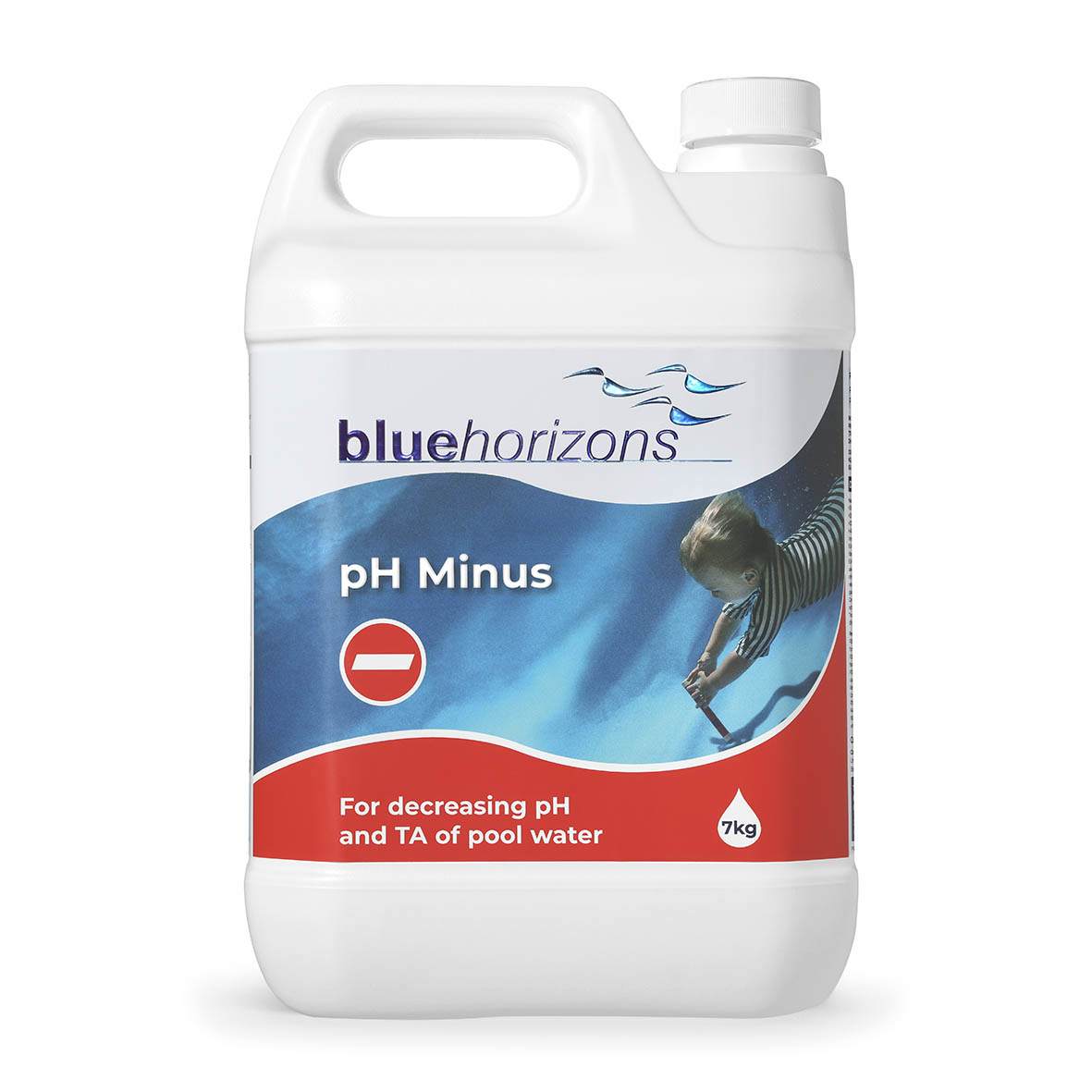
- High pH makes chlorine less effective and can cause cloudy water and scale. → Lower it with a pH Minus.
Total Alkalinity (80 – 150 mg/l)
TA acts as a buffer to stabilise pH.
- Low TA causes rapid pH swings and corrosive water. → Increase with a TA Raiser.
- High TA makes pH difficult to adjust and can cause scaling or cloudy water. → Lower gradually by adding pH Minus.
Calcium Hardness (200 mg/l minimum)
Calcium keeps your water from becoming too aggressive.
- Low CH makes water corrosive and can damage pool finishes and equipment. → Increase with a Calcium Hardness Raiser.
- High CH can cause cloudy water and scale build-up. → Dilution with fresh water is usually the best solution.
The Bottom Line
When pH, TA, and CH are kept in balance, your water is clearer, safer, and easier to manage. Regular testing and small adjustments will prevent most water quality issues before they start.
Phosphates
Phosphates are one of the main food sources for algae. When phosphate levels are high, algae can multiply rapidly, and your sanitiser may struggle to keep the water clear.
Where Do Phosphates Come From?
- Phosphates are introduced into pool water in many everyday ways, including:
- Rainwater and fresh water top-ups
- Leaves, grass, and other organic debris
- Dust, pollen, and insects
- Fertilisers and detergents
- Bather products like sun creams, lotions, and cosmetics
Even with good sanitiser levels, these hidden nutrients can encourage algae growth if they’re not controlled.
How to Test for Phosphates
- Use simple phosphate test strips at home for a quick check, or
- Take a sample to your local Blue Horizons dealer for professional testing.
How to Control Phosphates
If tests show high phosphate levels, use a phosphate remover to strip out this algae food source. The Blue Horizons range includes some effective products to help keep phosphate levels low and your pool water crystal clear.
The Blue Horizons Product Page
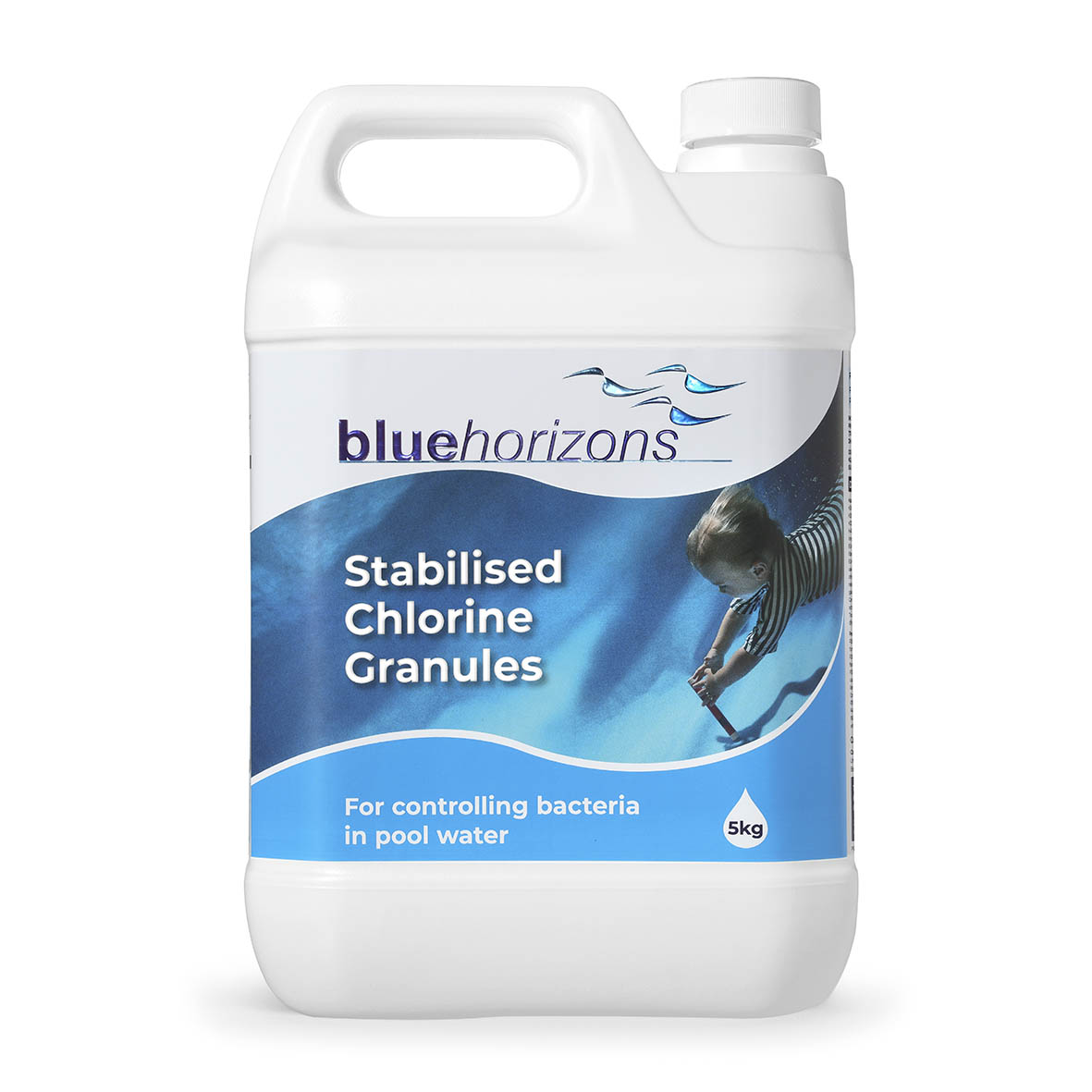
Disinfectants
Balancers
Algaecides
Shock
Speciality
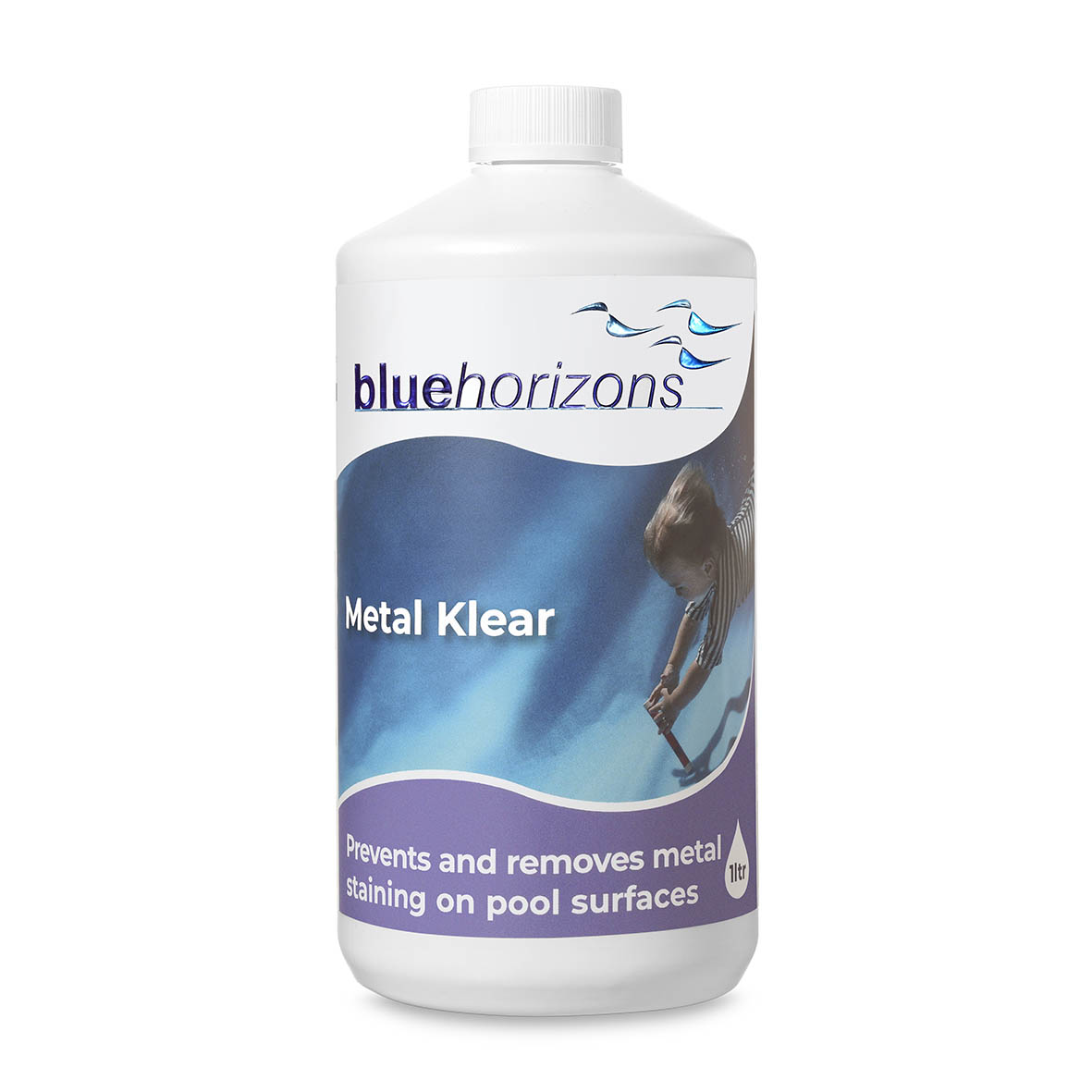
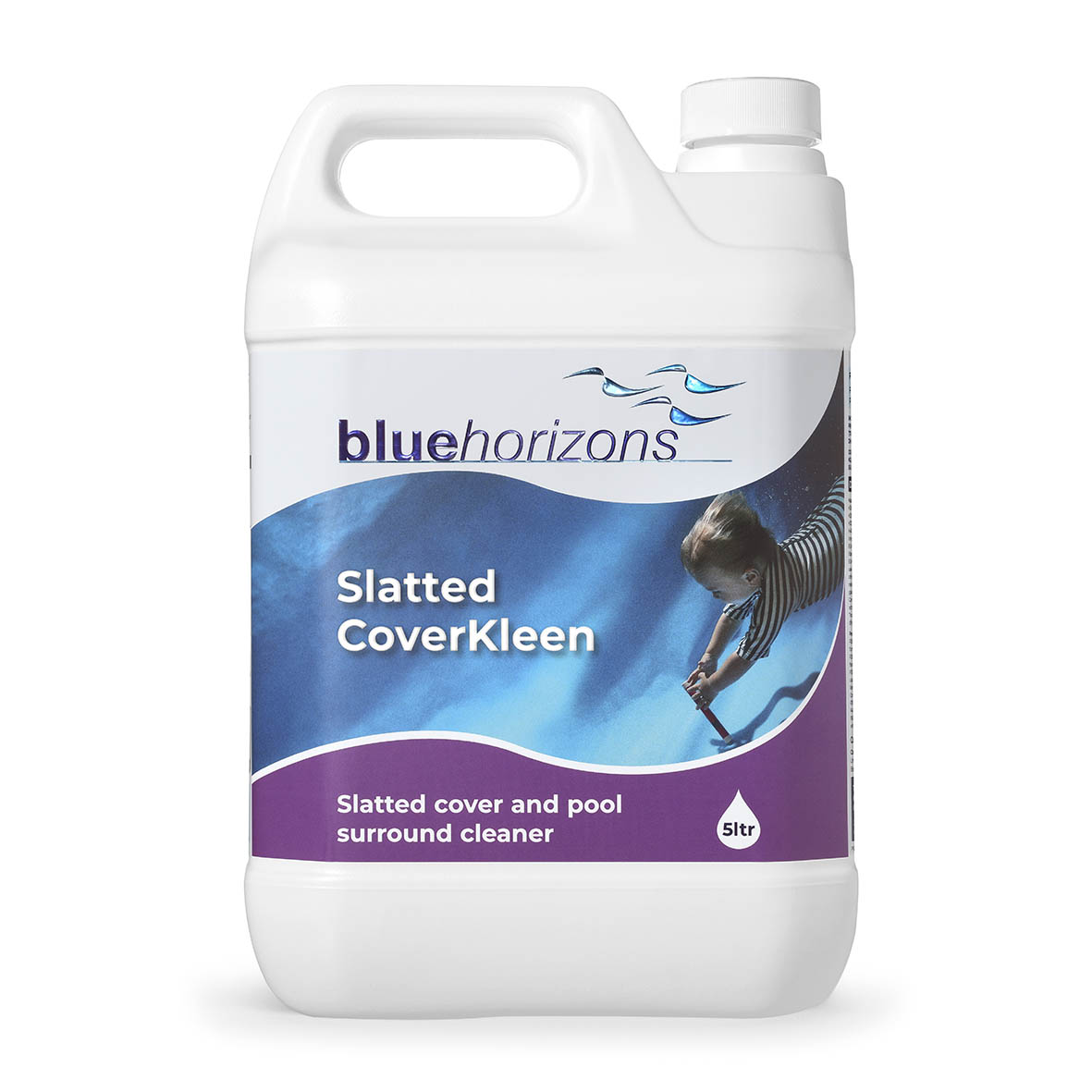
Cleaners
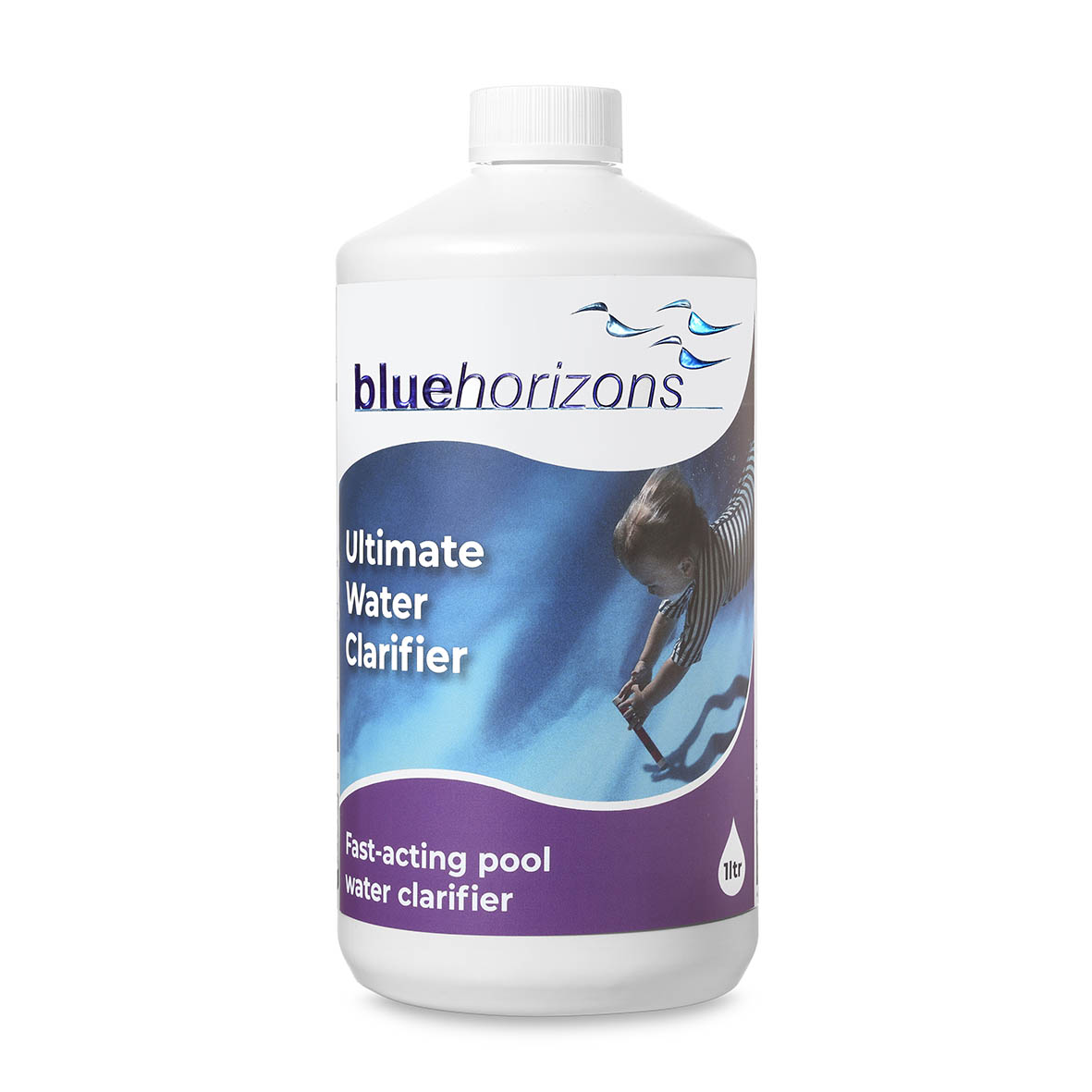
Clarifiers
Test Strips

For more information contact your local dealer